Data Structures and Algorithms in Python
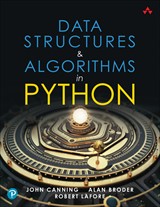
When guiding students through complex algorithmic design or structuring academic coursework, having a resource that perfectly balances theoretical rigor with practical implementation is invaluable. This book achieves exactly that, standing out as a highly effective bridge between abstract computer science concepts and hands-on Python programming.
Unlike purely academic texts that can sometimes bury the reader in mathematical proofs, or purely applied guides that skip the underlying mechanics, Canning and his co-authors provide a masterful middle ground. The explanations of fundamental data structures—ranging from linked lists and hash tables to complex trees and graphs—are clear, intuitive, and immediately followed by robust, object-oriented Python code. This makes it incredibly easy to see how memory management and algorithmic time complexity play out in real-world scripts.
One of the most impressive aspects of the book is its visual progression. It uses highly effective diagrams to illustrate how data is manipulated step-by-step before translating those steps into code. For developers preparing for technical interviews or engineers looking to optimize their daily code, these visual aids solidify the mental models required to write highly efficient algorithms.
Ultimately, this book provides the exact blend of high-quality instructional material and practical coding exercises needed to master data structures. It is a fantastic reference for both self-study and professional mentorship, ensuring that the core foundations of computer science are not just memorized, but truly understood and confidently applied in Python.